
Key Projects
Environmental Conservation and Climate Resilience Project
Implementing Partner
Midwestern Region Centre for Democracy and Human Rights (MICOD)Key Partners
- Rotary International
- Rotary Club of Chilliwack, British Columbia, Canada
- Rotary Club of Masindi, Uganda
Project Locations
Buliisa, Masindi and Kiryandongo Districts, Uganda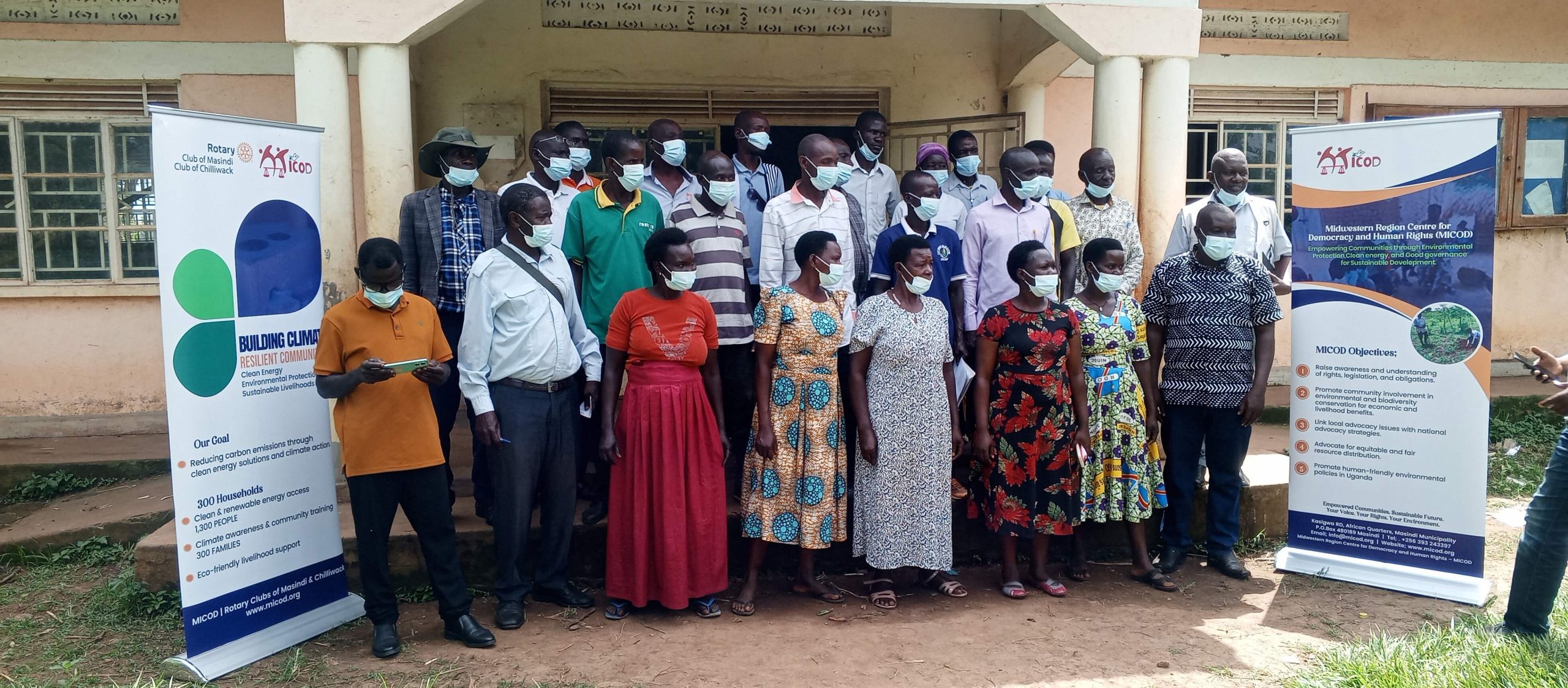
Project Launch in Buliisa District
About the Project
The Midwestern Region Centre for Democracy and Human Rights (MICOD) is implementing community-based environmental conservation and climate resilience interventions in Buliisa, Masindi and Kiryandongo Districts in Uganda.
The project is supported through a Rotary International Global Grant, implemented in partnership with the Rotary Club of Chilliwack, British Columbia, Canada, and the Rotary Club of Masindi, Uganda.
The project focuses on supporting vulnerable communities to actively participate in sustainable natural resource management, environmental conservation, and climate change adaptation and mitigation. It recognizes the important role that local communities play in protecting natural resources and building resilience against the growing impacts of climate change.
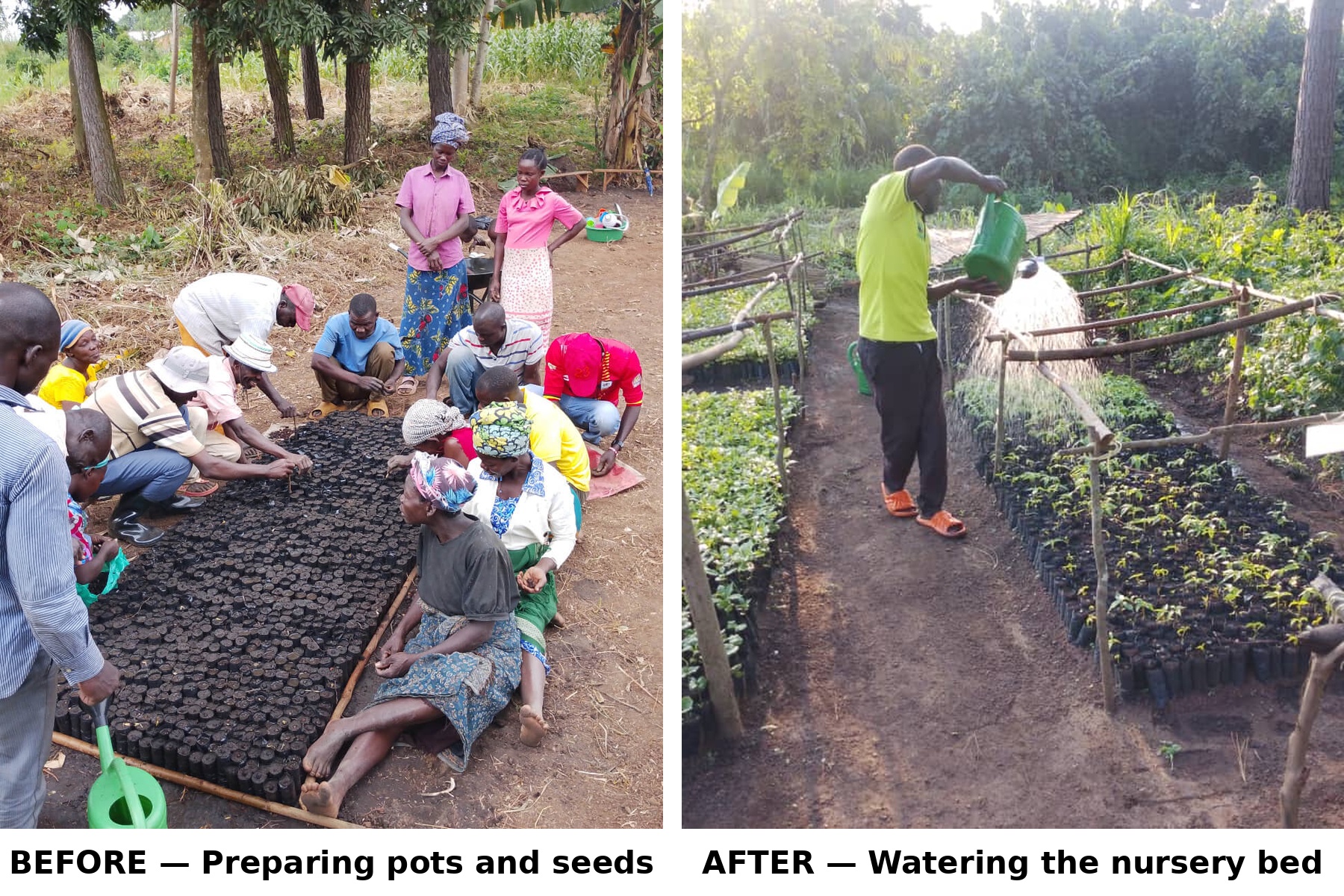
MICOD established tree Nursery bed for community woodlots
Key Project Interventions
The project supports communities to establish and manage:
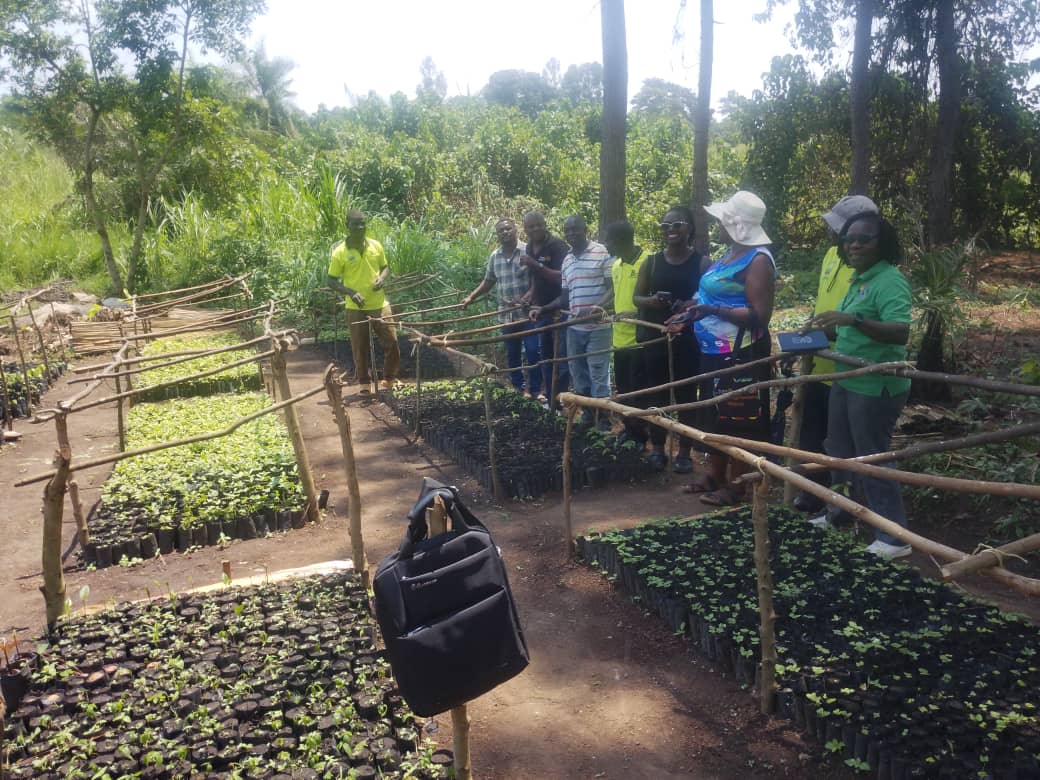
Rotary Club of Masindi monitoring of project activities Masindi District
Project Objectives
The project seeks to:- Increase tree cover within targeted communities through tree planting and community woodlot establishment.
- Promote sustainable tree growing and management as a long-term source of wood products and environmental benefits.
- Strengthen community tree seedling production through the establishment and support of local nurseries.
- Restore degraded landscapes and improve the health and productivity of local ecosystems.
- Strengthen community participation in sustainable natural resource management.
- Improve community resilience to climate change through practical adaptation and mitigation interventions.
- Promote environmental awareness and responsible natural resource use among participating communities.

MICOD staff Monitoring Community woodlot during field visit in Garasoya in Kihungya subcounty Buliisa District
Expected Outcomes
Through these interventions, the project is expected to contribute to:
- Increased tree cover in the targeted districts.
- More community-owned and managed woodlots.
- Increased availability of quality tree seedlings for local tree-planting initiatives.
- Restoration of degraded land and landscapes.
- More sustainable sources of wood products for communities.
- Improved community participation in environmental conservation and natural resource management.
- Increased awareness of climate change adaptation and mitigation.
- Stronger resilience among vulnerable communities to the impacts of climate change.
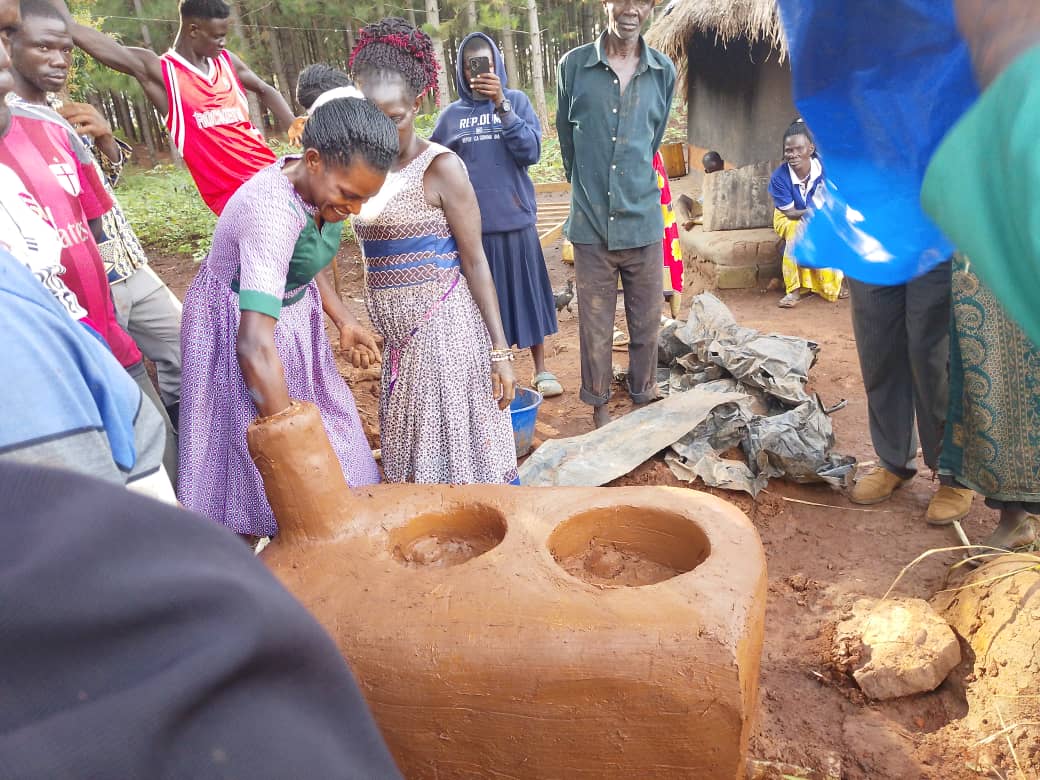
Constructed Lorena cook stove by Masindi Energy Champions
Other Key Projects
Biodiversity and Conservation Project

Clean Energy Project
